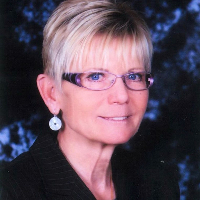
Adam Smith
LPC
Licensed Professional Counselor - Stress and Addiction
- Stress, Anxiety
- Addictions
- Self esteem
Licensed professional counselors
69 counselors in this directory hold a license issued in Idaho. Sessions are online, but a counselor can normally only work with people located in a state where they hold a license, so check the license panel on each profile. Depending on the state, the license may be called LPC, LPCC or LCPC.
Welcome to LPCTherapists.org's directory for online therapists serving Idaho. All therapists listed here hold a current Idaho license. Explore profiles to review credentials, approaches, languages, and clinical focus areas to find a fit for your needs.
LPC
Licensed Professional Counselor - Stress and Addiction
LPC
Licensed counselor - mood and stress concerns
LPC
Licensed Professional Counselor - Stress and relationships
LPC
Licensed Professional Counselor - stress and relationships
LPC
Licensed Professional Counselor - Mood and Relationships
LPC
Licensed counselor focused on anxiety and parenting
LPC
Licensed Professional Counselor - Trauma and Anxiety
LPC
Licensed counselor - trauma and parenting
LPC
Licensed counselor for relationships and anxiety
LPC
Licensed counselor - stress and relationships
LCPC
Licensed Clinical Professional Counselor - relationships and stress
LPC
Licensed counselor for anxiety and life changes
LPC
Licensed Professional Counselor - stress and anxiety
LPC
Licensed Professional Counselor - Anxiety and Family
LPC
Licensed counselor - anxiety and life transitions
LCPC
Licensed Clinical Professional Counselor - stress and addiction
LMHC, LCPC
Dr. Skytina Felder-Jones - Counselor for addictions and relationships
LPC
Licensed Professional Counselor - anxiety and addictions
LPC
Licensed Professional Counselor helping anxiety and addiction
LCPC
Licensed Clinical Professional Counselor - Stress and Anxiety
LPC
Licensed Professional Counselor - Stress and Trauma
LPC
Licensed counselor - anxiety and relationships
LPC
Licensed counselor for anxiety and recovery
LPC
Licensed Professional Counselor - Anxiety and Trauma
LPC
Licensed Professional Counselor focused on women's issues and trauma
LCPC
Licensed Clinical Professional Counselor - Anxiety and Addiction
LCPC
Licensed Clinical Professional Counselor - Relationships and Stress
LPC
Licensed Professional Counselor focusing on family and parenting
LPC
Dr. Kirk Thiemann - counselor for stress and relationships
Some links on this page are partner links. We will earn a commission if you sign up through one, at no cost to you. It does not change what you pay or the order of the listings.
If you are exploring online therapy in Idaho, you will find a range of licensed mental health professionals offering remote sessions by video or phone. Online care in Idaho includes counselors, social workers, marriage and family therapists, and psychologists who provide services across geographic boundaries within the state. Regulations require practitioners offering therapy in Idaho to hold an active Idaho license for the relevant mental health profession, and many clinicians list the therapeutic approaches they use so you can match style and method to your preferences. Technology has expanded how you can connect with a clinician, allowing you to reach someone who speaks your language, shares cultural understanding, or focuses on a particular life stage without the need to travel long distances in a rural state. While the experience varies by clinician - from shorter check-ins to longer weekly sessions - remote therapy aims to reproduce the essential elements of in-person care: an intentional therapeutic relationship, structured time, and tailored clinical strategies.
Online therapy can offer practical advantages if you live in Idaho. If you are juggling work, family, or school, remote sessions remove commute time and make it simpler to fit counseling into a busy schedule. For residents in smaller towns or remote areas, online care can expand your choices beyond the local provider pool, giving you access to clinicians who list specialized experience in areas such as trauma, mood concerns, or relationship challenges. The format can also help if you have mobility limitations or inconsistent transportation. Many people find that meeting from a comfortable environment at home makes it easier to open up and maintain continuity of care during life transitions. That said, you should consider how technology, bandwidth, and your own comfort with virtual communication affect the experience. Some interventions translate well to video sessions, while others may rely on resources or in-person assessments that a therapist will discuss with you. Thinking through what matters most to you - convenience, specific clinical focus, language, or therapeutic approach - will help you weigh whether online therapy is a good option.
Online therapists in Idaho work with a wide variety of concerns that many people seek help for. If you are coping with anxiety symptoms, persistent low mood, stress related to work or caregiving, grief after a loss, or navigating relationship challenges, you will find clinicians who list relevant experience. People also reach out for support with life transitions such as parenting, divorce, career changes, or relocation, and for coping strategies when dealing with chronic illness or caregiving demands. Therapists often indicate the therapeutic approaches they use to address these concerns, so you can look for professionals who list cognitive-behavioral methods, interpersonal approaches, acceptance-based strategies, trauma-informed methods, or other modalities you want to explore. If you are facing issues that require specialized medical assessment or crisis intervention, an online therapist can help identify next steps and coordinate with local services when necessary. When searching, pay attention to the clinician's noted areas of focus and the language they use to describe the populations they work with, because that will give you a clearer sense of how they frame their work with clients like you.
Verifying a license is an important step when you are considering an online therapist. Start by asking the clinician for their full name and license number if it is not already listed on their profile. Use the official Idaho state agency responsible for professional licensing to look up that license number. The state license lookup will typically show the license type, issuance and expiration dates, and whether there are any public disciplinary actions. Confirm that the license type aligns with the professional title the clinician uses - for example, licensed professional counselor, licensed clinical social worker, marriage and family therapist, or psychologist. If you have questions about what you find, call or email the state licensing board to request clarification or to report concerns. You can also ask the clinician directly where they are licensed to practice and whether they are authorized to provide remote services within Idaho. A transparent practitioner will be willing to share their licensure details and explain how they meet state requirements for telehealth practice. Verifying licensure helps you confirm that the person you are working with has met the educational and regulatory standards required to practice in Idaho.
When you have identified potential therapists, prepare a brief summary of what brings you to therapy and any practical constraints you have, such as preferred session times, language needs, or technology limitations. Think about whether you prefer video sessions, phone sessions, or a mix, and make sure your device and internet connection will support the option you choose. If you have questions about fees, payment methods, sliding scale options, or how records are managed, plan to ask the clinician or their administrative contact before you book a first session. It is also reasonable to ask about the clinician's approach to emergencies and whether they can coordinate with local healthcare or crisis resources if needed.
Selecting a therapist is a personal process, and you should look for a match on several fronts. Consider clinical focus and populations served to ensure the clinician lists experience that aligns with your concerns. Look at the therapeutic approaches they describe and seek explanations in language you understand; different approaches involve different emphases on skills, insight, or emotion processing. Pay attention to practical details such as session length and how communication is handled between sessions. Cultural factors matter too - if you prefer a therapist who shares your cultural background or understands issues related to identity, language, or family dynamics, prioritize that match. Finally, think about how you prefer to be approached in therapy: some people want a directive counselor who offers specific tools, while others want a reflective collaborative style. It is normal to try a few clinicians before settling on the person you feel most comfortable with, and many clients find that an initial conversation helps them decide if the fit feels right.
Starting therapy is a step toward addressing what matters to you. Take your time to review profiles, confirm licensure, and prepare a few questions before you reach out. The process of finding the right therapist often involves weighing clinical approach, communication style, and practical considerations to arrive at a match that supports your goals and fits your life in Idaho.