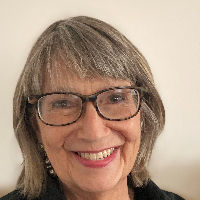
Patricia Manning, LPC
Licensed in South Carolina 11 years in practice
Licensed Professional Counselor (LPC) licensed in Oregon with 11 years of experience, Patricia Manning helps people handle stress, anxiety, trauma and family concerns.
License and NPI
- LPC, South Carolina
- 6060 · expires August 2027
- LPC, Oregon
- C5983 · expires March 2027
- NPI
- 1487113593 · national provider identifier
- Years in practice
- 11
- Languages
- English
Details are as listed on the therapist's public professional profile. You can check any license with the state board and any NPI with the national registry.
About Patricia
Licensed Professional Counselor (LPC) licensed in Oregon with 11 years of experience, Patricia Manning helps people handle stress, anxiety, trauma and family concerns. She lists parenting, grief, relationship and self-esteem issues among her core concerns. Patricia also works with people facing career change, compassion fatigue, ADHD, anger, and intimacy-related difficulties.
Patricia draws on approaches that focus on relationships and practical skills. She uses attachment-based ideas to look at how early connections affect current relationships.
Background and approach
She also uses cognitive behavioral techniques to identify and change unhelpful thoughts and behaviors. Patricia includes methods from dialectical behavior therapy and EMDR when appropriate for trauma-related work. Her background includes many years working with children and families in child protection, foster care, residential settings, and a domestic violence and sexual assault shelter.
She completed a Master of Arts in Mental Health Counseling in 2008 and has worked across settings such as psychiatric hospitals and alternative schools. In sessions she combines client-centered listening with specific, research-based techniques. That means patients can expect both space to talk and concrete skills to try between meetings.
She names existential ideas and the biopsychosocial model as influences when thinking about life meaning, responsibility, and the role of social context. Patricia aims to be direct when choices are unhelpful and to support clients in developing new skills. Her work often focuses on coping with loss, resolving family problems like blended-family or adoption issues, and managing reactions to trauma and dissociation.
She encourages practical steps toward improved functioning and clearer life direction.
Focus areas and approaches
Everything Patricia lists on their public professional profile, in their own terms.
- Stress, Anxiety
- Family conflicts
- Trauma and abuse
- Parenting issues
- Self esteem
- Relationship issues
- Grief
- Intimacy-related issues
- Anger management
- Career difficulties
- Depression
- Coping with life changes
- Compassion fatigue
- ADHD
- Adoption and foster care
- Attachment issues
- Blended family issues
- Caregiver issues and stress
- Codependency
- Coping with natural or human-caused disaster
- Dissociation
- Divorce and separation
- Domestic violence
- Emptiness
- Family problems
- Forgiveness
- Guilt and shame
- Isolation / loneliness
- Life purpose
- Midlife crisis
- Panic disorder and panic attacks
- Post-traumatic stress
- Seasonal Affective Disorder (SAD)
- Self-harm
- Self-love
- Sexual assault and abuse
- Social anxiety and phobia
- Women's issues
- Workplace issues
- Young adult issues
Approaches Patricia names
- Attachment-Based Therapy
- Client-Centered Therapy
- Cognitive Behavioral Therapy (CBT)
- Dialectical Behavior Therapy (DBT)
- Eye Movement Desensitization and Reprocessing (EMDR)
- Mindfulness Therapy
- Narrative Therapy
- Solution-Focused Therapy
- Trauma-Focused Therapy
Naming an approach is not evidence of training in it. This directory copies what each therapist lists and does not check training records.
Online support
How her clinical approaches work for online sessions
Patricia commonly uses attachment-based work, client-centered methods, and cognitive behavioral therapy. Attachment-based work looks at how early relationships influence current connections and can help with relationship struggles, attachment issues, and intimacy concerns. Client-centered methods prioritize the person’s perspective and give space to talk while the therapist reflects and clarifies what matters most to the client. CBT focuses on identifying thought patterns and testing new behaviors to reduce anxiety, depression, and problematic coping.Finding the right approach is treated as a collaborative process. The therapist will discuss goals, preferences, and what has or hasn’t helped before, then suggest approaches to try together. Adjustments are made as the work progresses so the plan can change based on what the client finds useful.
Confirm the exact session formats before booking, as the biography does not list specific online formats. Online work can make it easier to fit sessions into a busy week, allow shorter check-ins when needed, and reduce travel time. It also lets people practice skills in everyday settings and bring real-life situations into conversation. The emphasis is on practical, usable skills and relational work that can be continued between meetings.
We will earn a commission if you sign up through our link, at no cost to you. It does not change what you pay or the order of the listings.
Questions people ask
What concerns does she address most often?
She works with stress, anxiety, trauma and family-related concerns. Additional areas include parenting, grief, self-esteem, relationship difficulties, depression, ADHD, and career or life changes.
What is her general therapeutic style?
She uses a client-centered approach combined with research-based techniques. That means listening to the person and teaching practical skills such as CBT and DBT strategies.
How much experience does she have?
She has 11 years of professional experience working in child protection, foster care, residential treatment, psychiatric hospitals, and shelters.
What are her credentials and where is she licensed?
She is a Licensed Professional Counselor (LPC) and lists Oregon as her location and license state.
Which languages are supported for sessions?
Sessions are offered in English.
Does she work with international clients?
She does not accept international clients at this time.
How is cost handled for sessions?
Cost varies with location; sessions use a subscription that can be canceled at any time.
What should I do to begin?
Select the See online therapy options button, complete a short matching questionnaire, and schedule a first session.
More counselors licensed in Oregon
See all
Jaqulyn Tasker
LPC
Licensed Professional Counselor - Stress and Relationships
- Stress, Anxiety
- Relationship
- Family

Charles McBride (he/him)
LPC
Licensed Professional Counselor - Mental health and addictions
- Stress, Anxiety
- Addictions
- Relationship

Devon Edwards
LPC
Licensed Professional Counselor - Stress and Relationships
- Stress, Anxiety
- Relationship
- Trauma and abuse

Minet Neuhart
LPC
Licensed counselor focused on anxiety and relationships
- Stress, Anxiety
- Relationship
- Grief
Surnames under M · every counselor in the directory whose surname starts with M
Is this your profile?
Ask us to correct details or take the page down.
Contact us