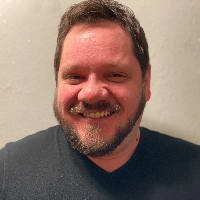
Brandon Bunker, LCMHC, LPC
Licensed in Utah 11 years in practice
Licensed Clinical Mental Health Counselor (LCMHC) and Licensed Professional Counselor (LPC) in Utah with 11 years of experience, Brandon Bunker helps people facing stress, anxiety, depression, trauma and abuse, relationship and intimacy issues, and concerns related to LGBT identity.
License and NPI
- LCMHC, Utah
- 8287475-6004 · expires September 2026
- LPC, Virginia
- 0701013816 · expires June 2026
- NPI
- 1245606409 · national provider identifier
- Years in practice
- 11
- Languages
- English
Details are as listed on the therapist's public professional profile. You can check any license with the state board and any NPI with the national registry.
About Brandon
Licensed Clinical Mental Health Counselor (LCMHC) and Licensed Professional Counselor (LPC) in Utah with 11 years of experience, Brandon Bunker helps people facing stress, anxiety, depression, trauma and abuse, relationship and intimacy issues, and concerns related to LGBT identity. He also supports work on addictions, parenting strain, self-esteem, career challenges, and coping with life changes.
Brandon emphasizes practical work on communication, boundaries, and managing overwhelming feelings. Brandon uses straightforward, client-focused methods.
Background and approach
He leans on Cognitive Behavioral Therapy (CBT) to identify unhelpful thinking and on Acceptance and Commitment Therapy (ACT) to clarify values and guide action. Attachment-Based and Emotionally-Focused Therapy ideas inform how he looks at relationship patterns and emotional responses. Sessions focus on clear goals and steps people can try between meetings.
Brandon talks through relationship patterns, and helps people practice different ways of communicating and setting limits. He works with issues around abandonment, codependency, and family of origin problems in accessible language. He also addresses concerns connected to kink and alternative sex culture, caregiver stress, fatherhood issues, and recovery from drug and alcohol problems.
For those dealing with compassion fatigue or burnout, Brandon offers strategies to reduce overwhelm and rebuild basic routines. Brandon’s background spans clinical work with diverse adults and people navigating identity-related stress. He uses a collaborative style that asks what matters to the person first, then matches therapeutic tools to those goals.
To begin, readers are asked to confirm current session options before booking.
Focus areas and approaches
Everything Brandon lists on their public professional profile, in their own terms.
- Stress, Anxiety
- LGBT
- Relationship issues
- Trauma and abuse
- Depression
- Addictions
- Family conflicts
- Intimacy-related issues
- Parenting issues
- Self esteem
- Career difficulties
- Coping with life changes
- Compassion fatigue
- Abandonment
- Attachment issues
- BDSM, kink, and alternative sex culture
- Caregiver issues and stress
- Codependency
- Commitment issues
- Communication problems
- Coping with natural or human-caused disaster
- Divorce and separation
- Drug and alcohol addiction
- Emptiness
- Family of origin issues
- Family problems
- Fatherhood issues
- Forgiveness
- Gender dysphoria
- Guilt and shame
- Hearing impaired
- HIV / AIDS
- Infidelity
- Isolation / loneliness
- Jealousy
- Life purpose
- Men's issues
- Midlife crisis
- Veteran and Armed Forces Issues
- Mood disorders
- Multicultural concerns
- Polyamory / non-monogamous relationships
- Postpartum depression
- Post-traumatic stress
- Prejudice and discrimination
- Process addiction (porn, exercise, gambling)
- Seasonal Affective Disorder (SAD)
- Self-love
- Sex addiction
- Sexual assault and abuse
- Sexuality
- Social anxiety and phobia
- Women's issues
- Workplace issues
- Young adult issues
Approaches Brandon names
- Acceptance and Commitment Therapy (ACT)
- Attachment-Based Therapy
- Client-Centered Therapy
- Cognitive Behavioral Therapy (CBT)
- Emotionally-Focused Therapy (EFT)
- Eye Movement Desensitization and Reprocessing (EMDR)
- Gottman Method
- Mindfulness Therapy
- Narrative Therapy
- Psychodynamic Therapy
- Solution-Focused Therapy
- Somatic Therapy
- Trauma-Focused Therapy
- Internal Family Systems
- Systemic Therapy
Naming an approach is not evidence of training in it. This directory copies what each therapist lists and does not check training records.
Online support
Therapeutic approaches Brandon uses for online work
Brandon commonly uses Acceptance and Commitment Therapy (ACT) and Cognitive Behavioral Therapy (CBT) in his work. ACT focuses on clarifying what matters most to a person and taking small, value-guided actions despite difficult thoughts or feelings. CBT aims to identify and test unhelpful thinking and to build skills for managing anxiety, depression, and stress.He also draws on Attachment-Based and Emotionally-Focused Therapy ideas to look at how early patterns affect current relationships and emotional responses. Those approaches help when communication patterns or fear of abandonment show up in relationships. Choosing the right approach is a collaborative process. The therapist and client review goals, try methods, and adjust the plan based on what helps most.
Session formats are not listed in the biography, so confirm the current options before booking. Ask about session length, frequency, and whether video or phone sessions are offered. Online work can make it easier to fit sessions into a busy schedule, allow shorter check-ins when needed, reduce travel time, and let people keep therapy within a regular day without rearranging major commitments.
We will earn a commission if you sign up through our link, at no cost to you. It does not change what you pay or the order of the listings.
Questions people ask
What concerns does he address most often?
He works with stress, anxiety, depression, trauma and relationship and intimacy issues. Additional areas include addictions, parenting strain, self-esteem, and LGBT-related concerns.
How would you describe his therapeutic style?
His style is practical and collaborative, focusing on clear goals and steps to try between sessions. He combines talk, skill practice, and problem-solving.
How much experience does he have?
He has 11 years of clinical experience working with adults on emotional and relationship concerns.
What are his credentials and where is he located?
He holds LCMHC and LPC credentials and practices in Utah.
Which languages are offered for sessions?
Sessions are offered in English.
Are international clients supported?
International clients are not currently accepted.
How are session costs handled?
Cost varies by location and sessions use a subscription that can be canceled at any time.
What steps are required to begin working together?
Select the See online therapy options button, complete a short matching questionnaire, and schedule a first session.
More counselors licensed in Utah
See all
Carmen Killpack
LPC, LCMHC
Licensed counselor focused on anxiety and trauma
- Stress, Anxiety
- Trauma and abuse
- Grief
Cherry Weaver
LPC, LCMHC
Licensed counselor focused on addictions and relationships
- Addictions
- Relationship
- Trauma and abuse
Jodi Walker
LPC, LCPC
Licensed counselor - mood and addiction work
- Stress, Anxiety
- Addictions
- Trauma and abuse

Dr. Timothy Tobin
LPC, LCMHC
Dr. Timothy Tobin - Counselor for trauma and addictions
- Stress, Anxiety
- Addictions
- Trauma and abuse
Surnames under B · every counselor in the directory whose surname starts with B
Is this your profile?
Ask us to correct details or take the page down.
Contact us