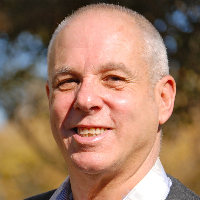
Gary Zarchy, LPC
Licensed in Arizona 25 years in practice
Licensed Professional Counselor (LPC) in Arizona with 25 years of experience, Gary Zarchy helps people with stress, anxiety, addictions, LGBTQ concerns, relationships, depression, trauma, and grief.
License and NPI
- LPC, Arizona
- LPC-10642 · expires September 2026
- NPI
- 1598827214 · national provider identifier
- Years in practice
- 25
- Languages
- English
Details are as listed on the therapist's public professional profile. You can check any license with the state board and any NPI with the national registry.
About Gary
Licensed Professional Counselor (LPC) in Arizona with 25 years of experience, Gary Zarchy helps people with stress, anxiety, addictions, LGBTQ concerns, relationships, depression, trauma, and grief. He emphasizes that clients hold the answers and he works alongside them to identify goals and next steps. Gary guides, teaches, advocates, and offers practical encouragement during sessions.
He uses straightforward conversation to help people clarify what matters to them and set achievable steps toward change.
Background and approach
He describes his role as a guide rather than someone who tells another person what to do. His background includes a master’s degree from the University of Phoenix and nearly two decades teaching in that school's counseling department. He has worked across settings with people facing substance use challenges, trauma, communication problems, and relationship strain.
That mix of teaching and clinical work shapes how he explains options and techniques during sessions. Gary draws on several approaches in his work, including client-centered methods, cognitive-behavioral strategies, existential reflection, EMDR for trauma-related work, and mindfulness practices. He uses these methods to help people manage symptoms, practice different responses, and process difficult experiences.
Sessions are practical and goal-focused. Gary often helps people build coping skills, improve communication, and plan steps for recovery or change. He aims to help people move toward resolving the issues that brought them to counseling.
Focus areas and approaches
Everything Gary lists on their public professional profile, in their own terms.
- Stress, Anxiety
- Addictions
- LGBT
- Relationship issues
- Depression
- Family conflicts
- Trauma and abuse
- Grief
- Intimacy-related issues
- Anger management
- Self esteem
- Career difficulties
- Bipolar disorder
- Coping with life changes
- Coaching
- Compassion fatigue
- Aging and geriatric issues
- Antisocial personality
- Co-morbidity
- Codependency
- Communication problems
- Divorce and separation
- Drug and alcohol addiction
- Emptiness
- Family of origin issues
- First responder issues
- Forgiveness
- Gender dysphoria
- Guilt and shame
- HIV / AIDS
- Hospice and end-of-life counseling
- Infidelity
- Isolation / loneliness
- Life purpose
- Men's issues
- Midlife crisis
- Mood disorders
- Multicultural concerns
- Panic disorder and panic attacks
- Post-traumatic stress
- Prejudice and discrimination
- Process addiction (porn, exercise, gambling)
- Self-love
- Sexuality
- Social anxiety and phobia
Approaches Gary names
- Client-Centered Therapy
- Cognitive Behavioral Therapy (CBT)
- Existential Therapy
- Eye Movement Desensitization and Reprocessing (EMDR)
- Mindfulness Therapy
- Motivational Interviewing
- Solution-Focused Therapy
Naming an approach is not evidence of training in it. This directory copies what each therapist lists and does not check training records.
Online support
Therapeutic approaches and how they fit online
Client-centered therapy focuses on listening and reflecting what matters to the person. Online sessions using this approach let the therapist follow the client's lead while working on goals and practical steps. Cognitive behavioral therapy, or CBT, looks at patterns of thought and behavior and teaches skills to change them. Online CBT often uses structured conversations and homework to practice new skills between sessions.Finding the right approach is part of the work. The therapist will discuss options and choose methods together based on the client's goals, preferences, and the issues they bring. That collaborative process helps narrow which techniques to try first and how to adapt them for remote sessions.
The therapist's biography does not specify session formats here, so confirm current online session options before booking. Online sessions can make scheduling easier, reduce travel time, and fit into a workday or caregiver routine. They also allow clients to use tools like short check-ins, guided exercises, and written practice between meetings to keep progress moving.
We will earn a commission if you sign up through our link, at no cost to you. It does not change what you pay or the order of the listings.
Questions people ask
What concerns does he commonly address?
He works with stress, anxiety, addictions, depression, trauma and related issues like grief and intimacy concerns.
How does he approach therapy?
He uses client-centered work along with CBT, existential ideas, EMDR and mindfulness to help people set goals and try new responses.
How much clinical experience does he have?
He has 25 years of experience in counseling and has spent many years working with substance use, trauma, and relationship issues.
What credential and state licensure does he hold?
He is an LPC licensed in Arizona.
Which languages are sessions offered in?
Sessions are offered in English.
Does he work with international clients?
He does not accept international clients.
How are session costs handled?
Cost varies with location and sessions use a subscription model that can be canceled at any time.
What is the process to begin sessions?
Use the See online therapy options button, complete a short matching questionnaire, and schedule a first session.
More counselors licensed in Arizona
See all
Jared Wilhelm
LPC
Licensed Professional Counselor - grief and relationships
- Grief
- Intimacy-related issues
- Self esteem

Victoria Johnson
LPC
Licensed counselor - mood and trauma care
- Stress, Anxiety
- Relationship
- Trauma and abuse
Alice Rock
LMHC, LPC
Licensed counselor - stress and addiction
- Stress, Anxiety
- Addictions
- Relationship
Surnames under Z · every counselor in the directory whose surname starts with Z
Is this your profile?
Ask us to correct details or take the page down.
Contact us