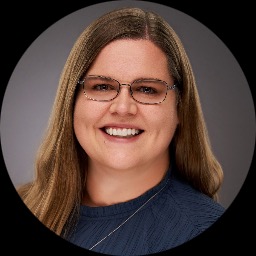
Jacqueline Baures, LPC
Licensed in Wisconsin 5 years in practice
Licensed Professional Counselor (LPC) in Wisconsin with five years of clinical experience, Jacqueline Baures works with people who face stress, anxiety, trauma and abuse, grief, self esteem concerns, and major life changes.
License and NPI
- LPC, Wisconsin
- 11217 - 125 · expires February 2027
- NPI
- 1508501131 · national provider identifier
- Years in practice
- 5
- Languages
- English
Details are as listed on the therapist's public professional profile. You can check any license with the state board and any NPI with the national registry.
About Jacqueline
Licensed Professional Counselor (LPC) in Wisconsin with five years of clinical experience, Jacqueline Baures works with people who face stress, anxiety, trauma and abuse, grief, self esteem concerns, and major life changes. She uses practical, evidence-based methods to help clients manage symptoms and build coping skills. Jacqueline presents herself as a steady guide for people who need clear steps and regular support.
Jacqueline concentrates on understanding each person's situation before suggesting next steps.
Background and approach
She listens for patterns that keep problems repeating and helps people try different responses. Sessions focus on learning specific tools to reduce distress and improve day-to-day functioning. She also addresses related issues such as aging and geriatric concerns, body image, communication problems, family of origin issues, forgiveness, gender dysphoria, guilt and shame, hospice and end-of-life counseling, and intellectual disability.
Jacqueline includes work on isolation, life purpose, midlife concerns, multicultural situations, obsessions and compulsions, and non-monogamous relationship dynamics when relevant to the client's goals. Jacqueline favors methods grounded in research and adapts those tools to what each person needs. She will track progress and adjust the approach as goals evolve.
The focus is on usable skills and clearer decision making rather than only talking about feelings. People who come to her often want straightforward guidance for coping and problem solving. She encourages practical practice between sessions and checks in on what is and is not working.
To begin, she asks people to describe the current problem, recent attempts to solve it, and what would count as a meaningful change.
Focus areas and approaches
Everything Jacqueline lists on their public professional profile, in their own terms.
- Stress, Anxiety
- Trauma and abuse
- Grief
- Self esteem
- Coping with life changes
- Aging and geriatric issues
- Body image
- Communication problems
- Family of origin issues
- Forgiveness
- Gender dysphoria
- Guilt and shame
- Hospice and end-of-life counseling
- Intellectual disability
- Isolation / loneliness
- Life purpose
- Midlife crisis
- Multicultural concerns
- Obsessions, compulsions, and OCD
- Polyamory / non-monogamous relationships
- Prejudice and discrimination
- Seasonal Affective Disorder (SAD)
- Self-harm
- Self-love
- Sexuality
- Social anxiety and phobia
- Women's issues
- Workplace issues
Online support
How evidence-based techniques are used in online sessions
Jacqueline works from evidence-based therapeutic techniques that focus on specific skills and symptom reduction. One common approach is problem-focused cognitive strategies that help people identify unhelpful thoughts, test them, and try alternative responses to reduce anxiety and improve decision making. This method is useful for stress, anxiety, and issues that involve persistent negative thinking.She also uses exposure and response strategies for people dealing with trauma-related avoidance or obsessive-compulsive behaviors. These strategies involve gradual, guided practice of facing difficult memories or urges while building alternative coping responses, which can reduce avoidance and compulsive patterns over time.
Finding the right approach is part of the work together. Jacqueline reviews your goals, what has been tried before, and your preferences to decide which techniques to use. She adjusts the plan as you track progress so sessions match current needs.
Confirm the specific session formats available before booking, as formats are not listed here. Online therapy can make it easier to fit sessions into a busy life, reduce travel time, and allow shorter check-ins when needed. Some people prefer remote work because it lets them schedule sessions between commitments or reduce the time spent commuting. Ask about session length and format options when you complete the matching questionnaire.
We will earn a commission if you sign up through our link, at no cost to you. It does not change what you pay or the order of the listings.
Questions people ask
What concerns does she work with most often?
She commonly helps people with stress, anxiety, trauma and abuse, grief, self esteem, and coping with life changes.
What is her general approach in sessions?
She uses evidence-based techniques and focuses on practical skills and problem solving. Sessions emphasize tools you can use between meetings.
How much experience does she have?
She has five years of clinical experience working as a licensed counselor.
What are her credentials and where does she practice?
She holds an LPC credential and practices in Wisconsin.
Which languages are supported?
Sessions are offered in English.
Can international clients work with her?
She is not currently accepting international clients.
How are sessions priced?
Cost varies by location and sessions use a subscription that can be canceled at any time.
How do I begin working with her?
Choose the See online therapy options button, complete the short matching questionnaire, and schedule a first session.
More counselors licensed in Wisconsin
See all
Kitra Thomas
LPC
Licensed Professional Counselor - Workplace and Trauma
- Stress, Anxiety
- Trauma and abuse
- Career


Jill Plaisted
LPC
Licensed counselor - Mood and stress concerns
- Stress, Anxiety
- Addictions
- Trauma and abuse

Surnames under B · every counselor in the directory whose surname starts with B
Is this your profile?
Ask us to correct details or take the page down.
Contact us