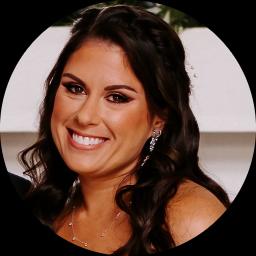
Rachel Fuller, LPCC
Licensed in California 7 years in practice
Licensed Professional Clinical Counselor (LPCC) in California with seven years of experience, Rachel Fuller helps people manage stress, anxiety, relationship concerns, self-esteem issues, depression, and life changes.
License and NPI
- LPCC, California
- 4042 · expires May 2027
- NPI
- 1275074379 · national provider identifier
- Years in practice
- 7
- Languages
- English
Details are as listed on the therapist's public professional profile. You can check any license with the state board and any NPI with the national registry.
About Rachel
Licensed Professional Clinical Counselor (LPCC) in California with seven years of experience, Rachel Fuller helps people manage stress, anxiety, relationship concerns, self-esteem issues, depression, and life changes. She also supports those coping with trauma, grief, sleep problems, parenting strains, anger, career questions, ADHD, and related challenges. Rachel writes plainly and focuses on practical steps people can use right away.
Rachel uses a straightforward style shaped by time on both coasts.
Background and approach
She brings clear communication and a range of therapeutic tools to sessions. Rachel listens first, then works with each person to choose strategies that fit their situation and goals. Her approach draws on attachment-based ideas, client-centered listening, cognitive behavioral techniques, dialectical behavior skills, and mindfulness practices.
That means sessions often involve talking through relationship patterns, identifying unhelpful thoughts, learning calming skills, and practicing new ways to respond to strong emotions. She invites feedback and adjusts methods when something is not working. Rachel trained through a masters program and has practiced in Southern California.
She aims to help people notice patterns, build practical skills, and make day-to-day changes that reduce distress. Conversations are direct and focused on what matters now. People who reach out should expect a collaborative process.
Rachel helps clarify goals, suggests exercises between sessions, and tracks progress over time. She encourages clear communication about what is and is not helpful so the work stays relevant and efficient.
Focus areas and approaches
Everything Rachel lists on their public professional profile, in their own terms.
- Stress, Anxiety
- Relationship issues
- Self esteem
- Depression
- Coping with life changes
- LGBT
- Family conflicts
- Trauma and abuse
- Grief
- Sleeping disorders
- Parenting issues
- Anger management
- Career difficulties
- Bipolar disorder
- Compassion fatigue
- ADHD
- Adoption and foster care
- Attachment issues
- Body image
- Codependency
- Commitment issues
- Communication problems
- Emptiness
- Family problems
- Forgiveness
- Guilt and shame
- Impulsivity
- Isolation / loneliness
- Life purpose
- Mood disorders
- Post-traumatic stress
- Self-harm
- Self-love
- Social anxiety and phobia
- Young adult issues
Approaches Rachel names
- Attachment-Based Therapy
- Client-Centered Therapy
- Cognitive Behavioral Therapy (CBT)
- Dialectical Behavior Therapy (DBT)
- Mindfulness Therapy
- Motivational Interviewing
- Narrative Therapy
- Solution-Focused Therapy
Naming an approach is not evidence of training in it. This directory copies what each therapist lists and does not check training records.
Online support
How Rachel applies therapeutic approaches to online work
Rachel often uses attachment-based ideas to look at how relationship patterns affect current feelings and behavior. This approach helps people notice how early connections shape trust, communication, and responses to stress. It can be useful for relationship problems, codependency, attachment issues, and related concerns.She also uses cognitive behavioral therapy (CBT) to identify unhelpful thoughts and test them with real-world experiments. CBT breaks problems into thoughts, feelings, and actions so clients can try small changes and measure results. Dialectical behavior therapy (DBT) skills are also used to teach emotion regulation, distress tolerance, and clearer communication when emotions run high.
Finding the best approach is a collaborative process. The therapist will discuss options, try methods in session, and adjust based on what a client prefers and what helps reach their goals. Clients are encouraged to give feedback about exercises and pacing so the plan stays relevant.
Confirm current session formats before booking, as they are not listed here. Online work can make it easier to fit sessions into a busy life, reduce travel time, and allow shorter check-ins when schedules are tight. It can also let people practice skills between sessions in their usual settings. Ask about specific session options when you schedule to match the practical needs of your routine.
We will earn a commission if you sign up through our link, at no cost to you. It does not change what you pay or the order of the listings.
Questions people ask
What concerns does she address most often?
Rachel works with stress, anxiety, relationship issues, self-esteem, depression, and coping with life changes. She also focuses on trauma, grief, sleep problems, parenting stress, anger, career concerns, bipolar and ADHD related challenges.
What kind of therapeutic style does she use?
She combines attachment-based approaches, client-centered listening, CBT, DBT skills, and mindfulness techniques. Sessions are practical and focus on skills you can use between meetings.
How much clinical experience does she have?
Rachel has seven years of experience working with clients and developing treatment plans in clinical settings. That experience informs how she selects interventions and tracks progress.
Where is she licensed and practicing?
She holds a California LPCC license and practices in California.
Can I work with her if English is not my first language?
Sessions are offered in English.
Does she accept clients outside the United States?
She does not accept international clients at this time.
How are sessions scheduled and what do they cost?
Cost varies by location and sessions use a subscription that can be canceled at any time. Confirm pricing details during the intake process.
What steps do I take to begin working together?
Use the See online therapy options button, complete the short matching questionnaire, and then schedule your first session.
More counselors licensed in California
See all
Stacey Sugar
LCPC, LPCC
Licensed counselor - relationships and anxiety
- Stress, Anxiety
- Relationship
- Family

Angeline Baucom
LPCC
Licensed counselor - trauma and addiction focus
- Stress, Anxiety
- Addictions
- Family
Summyr Harris
LPCC
Licensed Professional Clinical Counselor - Stress and Relationships
- Stress, Anxiety
- Relationship
- Trauma and abuse

Es'Simone Ireland
LPCC, LMFT
Licensed counselor - Anxiety and life changes
- Stress, Anxiety
- Self esteem
- Depression
Surnames under F · every counselor in the directory whose surname starts with F
Is this your profile?
Ask us to correct details or take the page down.
Contact us