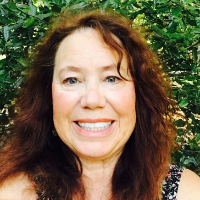
Sherry Friedman, LPC, LCMHC
Licensed in North Carolina 12 years in practice
Licensed Clinical Mental Health Counselor (LCMHC) licensed in North Carolina with 12 years of experience, Sherry Friedman focuses on stress, anxiety, trauma and abuse, parenting, coping with life changes, compassion fatigue, relationships, family concerns, grief, anger, self-esteem, career issues, bipolar disorder, depression, coaching, and ADHD.
License and NPI
- LCMHC, North Carolina
- 12786 · expires June 2027
- LPC, South Carolina
- 9015 · expires August 2027
- LMHC, Rhode Island
- MHC01614 · expires July 2026
- NPI
- 1730627068 · national provider identifier
- Years in practice
- 12
- Languages
- English
Details are as listed on the therapist's public professional profile. You can check any license with the state board and any NPI with the national registry.
About Sherry
Licensed Clinical Mental Health Counselor (LCMHC) licensed in North Carolina with 12 years of experience, Sherry Friedman focuses on stress, anxiety, trauma and abuse, parenting, coping with life changes, compassion fatigue, relationships, family concerns, grief, anger, self-esteem, career issues, bipolar disorder, depression, coaching, and ADHD.
She also notes additional focus areas such as attachment issues, abandonment, autism and Asperger syndrome, body image, communication problems, and multicultural concerns. Sherry writes and uses resources from her book with clients when helpful.
Background and approach
Sherry uses a mix of psychodynamic and experiential methods grounded in Jungian ideas alongside client-centered listening. She integrates attachment-based perspectives to look at how early relationships shape current patterns. Dialectical behavior skills and emotionally-focused techniques are used when emotional regulation and relationship moments are the focus.
Sessions tend to emphasize reflective conversation and practical skills. Sherry sometimes introduces mindfulness exercises, breathing techniques, and coherence practices drawn from HeartMath. She also discusses life structure, boundaries, and strategies for managing overwhelm.
She draws on her background in school psychology, gifted education, and clinical counseling to frame problems in developmental and social context. That background informs how she talks about neurodiversity and sensitivity, alongside more traditional mood and anxiety concerns. People who prefer an interactive, narrative style of counseling may find this approach fits.
Prospective clients are encouraged to review the online therapy options, complete the short matching questionnaire, and schedule a first session to confirm fit and logistics.
Focus areas and approaches
Everything Sherry lists on their public professional profile, in their own terms.
- Stress, Anxiety
- Trauma and abuse
- Parenting issues
- Coping with life changes
- Compassion fatigue
- Relationship issues
- Family conflicts
- Grief
- Anger management
- Self esteem
- Career difficulties
- Bipolar disorder
- Depression
- Coaching
- ADHD
- Abandonment
- Attachment issues
- Autism and Asperger Syndrome
- Body image
- Communication problems
- Divorce and separation
- Family of origin issues
- Family problems
- Forgiveness
- Isolation / loneliness
- Life purpose
- Midlife crisis
- Mood disorders
- Multicultural concerns
- Narcissism
- Postpartum depression
- Post-traumatic stress
- Pregnancy and childbirth
- Self-love
- Women's issues
Approaches Sherry names
- Attachment-Based Therapy
- Client-Centered Therapy
- Dialectical Behavior Therapy (DBT)
- Emotionally-Focused Therapy (EFT)
- Jungian Therapy
- Mindfulness Therapy
- Motivational Interviewing
- Narrative Therapy
- Psychodynamic Therapy
- Solution-Focused Therapy
- Somatic Therapy
- Trauma-Focused Therapy
- Internal Family Systems
Naming an approach is not evidence of training in it. This directory copies what each therapist lists and does not check training records.
Online support
How her approaches translate to online work
Sherry combines Attachment-Based Therapy, Client-Centered Therapy, and elements of Dialectical Behavior Therapy in her online practice. Attachment-Based Therapy looks at patterns that developed in early relationships and how they show up now; it helps with relationship difficulties and trust issues. Client-Centered Therapy centers the conversation on the person's experience, using reflective listening to clarify feelings and goals. DBT provides concrete skills for managing intense emotions, improving distress tolerance, and communicating more effectively.Choosing which approach to use is part of the work. She treats that choice as collaborative and will discuss what fits best based on a person's needs, goals, and preferences. The focus is on finding methods that feel practical and useful in daily life rather than committing to a single model up front.
Session formats are not listed explicitly in the biography, so confirm the current online session options before booking. Online work can make it easier to fit sessions into busy schedules, reduce travel time, and allow shorter check-ins when needed. It also allows exercises and skills practice to be applied in real time between meetings so techniques like breathing, coherence practices, and DBT skills can be integrated into everyday routines.
We will earn a commission if you sign up through our link, at no cost to you. It does not change what you pay or the order of the listings.
Questions people ask
What concerns does she commonly address?
She works with stress, anxiety, trauma and abuse, parenting strain, grief, anger, self-esteem, career concerns, mood disorders including bipolar and depression, and ADHD among other issues.
How would you describe her therapeutic style?
Her style blends Jungian ideas with client-centered listening and practical exercises. She also uses attachment perspectives and DBT or emotionally-focused techniques as needed.
How much clinical experience does she have?
She has twelve years of experience working in clinical counseling and related settings.
What credentials and location are listed for her?
She holds LPC and LCMHC credentials and is based in North Carolina; credential details include SC LPC and NC LCMHC as provided.
In which languages are sessions offered?
Sessions are offered in English only.
Can international clients work with her?
She does not accept international clients at this time.
How are sessions scheduled and what about cost?
Cost varies with location and sessions use a subscription that can be canceled at any time; check the service details for specific pricing by region.
What are the first steps to begin working together?
Select the See online therapy options button, complete the short matching questionnaire, and schedule a first session to start the process.
More counselors licensed in North Carolina
See all
Dr. Shelia Williamson Collins
LPC, LCPC
Licensed counselor - mood and addiction focus
- Stress, Anxiety
- Addictions
- Trauma and abuse

Khalid Greenaway
LPC
Licensed Professional Counselor - mood and anxiety
- Stress, Anxiety
- Relationship
- Family
Donna Cummings
LPC, LCMHC
Licensed counselor - addiction and stress support
- Stress, Anxiety
- Parenting
- Self esteem
Monique Willett
LPC, LCMHC
Licensed counselor - stress and mood concerns
- Stress, Anxiety
- Trauma and abuse
- Anger
Surnames under F · every counselor in the directory whose surname starts with F
Is this your profile?
Ask us to correct details or take the page down.
Contact us