
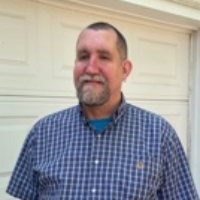
Thomas Fish, LPC
Licensed in Michigan 27 years in practice
Licensed Professional Counselor (LPC) in Michigan with 27 years of experience, Thomas Fish helps people address stress, anxiety, relationship problems, trauma and abuse, intimacy-related issues, and bipolar concerns.
License and NPI
- LPC, Michigan
- 6401226477 · expires August 2029
- NPI
- 1205348117 · national provider identifier
- Years in practice
- 27
- Languages
- English
Details are as listed on the therapist's public professional profile. You can check any license with the state board and any NPI with the national registry.
About Thomas
Licensed Professional Counselor (LPC) in Michigan with 27 years of experience, Thomas Fish helps people address stress, anxiety, relationship problems, trauma and abuse, intimacy-related issues, and bipolar concerns. He presents straightforward care and focuses on practical ways to reduce distress and improve day-to-day functioning. Thomas talks through symptoms and patterns with clients to identify what keeps problems active.
He uses a mix of approaches to track progress and try different methods when something is not helping.
Background and approach
Sessions tend to focus on concrete skills, clearer thinking, and understanding how past experiences affect current behavior. He has worked in clinical settings for many years and reports conducting a large number of therapy sessions. That background informs a flexible style that moves between problem-focused work and deeper exploration when useful.
Thomas names cognitive-behavioral and psychodynamic approaches among his methods, along with humanistic and experiential tools. Thomas also addresses issues that often overlap with the main concerns, such as addiction, eating and food-related problems, divorce and separation, dissociation, attachment and abandonment issues, and personality-related patterns. He lists work with alternative sexual cultures and intimacy matters among his focus areas.
People who choose him can expect clear explanations of techniques and practical next steps after each meeting. To begin, readers should confirm current session options and follow the site process to schedule an initial appointment.
Focus areas and approaches
Everything Thomas lists on their public professional profile, in their own terms.
- Stress, Anxiety
- Relationship issues
- Trauma and abuse
- Intimacy-related issues
- Bipolar disorder
- Abandonment
- Antisocial personality
- Attachment issues
- Avoidant personality
- BDSM, kink, and alternative sex culture
- Co-morbidity
- Codependency
- Commitment issues
- Control issues
- Dependent personality
- Dissociation
- Divorce and separation
- Domestic violence
- Drug and alcohol addiction
- Eating and food-related issues
- Emptiness
- Family of origin issues
- Family problems
- Fatherhood issues
- Forgiveness
- Guilt and shame
- Hospice and end-of-life counseling
- Impulsivity
- Infidelity
- Isolation / loneliness
- Jealousy
- Midlife crisis
- Mood disorders
- Narcissism
- Obsessions, compulsions, and OCD
- Panic disorder and panic attacks
- Paranoia
- Personality disorders
- Phobias
- Polyamory / non-monogamous relationships
- Postpartum depression
- Post-traumatic stress
- Prejudice and discrimination
- Process addiction (porn, exercise, gambling)
- Seasonal Affective Disorder (SAD)
- Self-harm
- Self-love
- Sex addiction
- Sexual assault and abuse
- Sexual dysfunction
- Sexuality
- Social anxiety and phobia
- Somatization
Online support
Therapeutic approaches and online sessions
Thomas lists cognitive-behavioral approaches and psychodynamic work among his main methods. Cognitive-behavioral approaches focus on identifying unhelpful thoughts and changing related behaviors to reduce symptoms like anxiety and stress. Psychodynamic work looks at how past experiences and relationship patterns influence current feelings and choices, which can help with recurring relationship or intimacy problems.Finding the right approach is part of the work. Thomas will collaborate with each person to identify which methods fit their goals and preferences. That means trying concrete skills first or shifting to more exploratory work when needed, and checking progress along the way.
The biography does not specify exact session formats, so confirm current options before booking. Online therapy can make it easier to fit sessions into daily life, for example by reducing travel time, enabling shorter check-ins during a busy day, or allowing work with a licensed professional from another location. Discuss format preferences during the initial scheduling step so the therapist and client can pick what works best.
We will earn a commission if you sign up through our link, at no cost to you. It does not change what you pay or the order of the listings.
Questions people ask
What concerns does he commonly address?
He works with stress, anxiety, relationship problems, trauma and abuse, intimacy-related issues, and bipolar concerns, plus related areas like addiction and eating issues.
How would you describe his therapeutic style?
He combines problem-focused skills with deeper exploration when needed, using clear explanations and practical steps each session.
How long has he been practicing?
He has 27 years of professional therapy experience and reports completing a large number of therapy sessions.
What are his credentials and where is he based?
He holds an LPC credential and practices in Michigan.
Which languages are sessions offered in?
Sessions are offered in English and he accepts international clients.
What session formats does he use?
The original biography does not list session formats. Please confirm current session options before booking.
How are fees and payment handled?
Cost varies with location and sessions use a subscription that can be canceled at any time.
How do I get started?
Select the See online therapy options button, complete the short matching questionnaire, and schedule a first session.
More counselors licensed in Michigan
See all
Tracee Anderson
LPC
Licensed Professional Counselor - Trauma and Self-Esteem
- Trauma and abuse
- Self esteem
- Coping with life changes
Steven Baruch
LPC
Licensed Professional Counselor - Anxiety and Mood
- Stress, Anxiety
- Depression
- Addictions

Surnames under F · every counselor in the directory whose surname starts with F
Is this your profile?
Ask us to correct details or take the page down.
Contact us