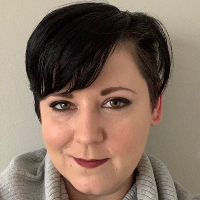
Danielle Poehlman, LPC, LMHC
Licensed in Florida 9 years in practice
Licensed Professional Counselor and Licensed Mental Health Counselor in South Carolina, Danielle Poehlman brings nine years of clinical experience to work with stress, anxiety, addictions, trauma and abuse, self-esteem, coping with life changes, LGBT concerns, relationship and family issues, grief, intimacy-related issues, sleeping, anger, career concerns, bipolar disorder, depression, compassion fatigue, and ADHD.
License and NPI
- LMHC, Florida
- MH15277 · expires March 2027
- LPC, South Carolina
- 11904 · expires August 2027
- NPI
- 1952919326 · national provider identifier
- Years in practice
- 9
- Languages
- English
Details are as listed on the therapist's public professional profile. You can check any license with the state board and any NPI with the national registry.
About Danielle
Licensed Professional Counselor and Licensed Mental Health Counselor in South Carolina, Danielle Poehlman brings nine years of clinical experience to work with stress, anxiety, addictions, trauma and abuse, self-esteem, coping with life changes, LGBT concerns, relationship and family issues, grief, intimacy-related issues, sleeping, anger, career concerns, bipolar disorder, depression, compassion fatigue, and ADHD.
She combines practical psychotherapy methods with direct conversation about problems. Danielle aims to help people find clearer ways to manage day-to-day struggles and difficult emotions.
Background and approach
Danielle trained at Florida International University and completed a master’s degree in mental health counseling. Her personal experience with family members affected by addiction and mental illness informs her perspective. She uses several therapy approaches in session, including client-centered methods, cognitive behavioral ideas, dialectical behavior techniques, motivational interviewing, and narrative work.
Those tools guide concrete steps people can try between sessions. Sessions focus on building working strategies for common problems. Danielle emphasizes straightforward skill practice, clearer communication, and identifying unhelpful patterns.
She also offers discussion and education about being highly sensitive or identifying as an empath when that is relevant to a person’s stress or relationships. Her style is described as motivational and strengths-based, with attention to developing practical coping plans. Danielle listens for what is working, what is not, and then highlights small changes that can reduce crisis and increase stability.
She supports clients through grief, addiction recovery efforts, mood challenges, and relationship conflicts. People considering counseling are asked to review the online intake and matching steps before scheduling a first session. Danielle works with a range of concerns and helps set clear goals and action steps early in care.
Focus areas and approaches
Everything Danielle lists on their public professional profile, in their own terms.
- Stress, Anxiety
- Addictions
- Trauma and abuse
- Self esteem
- Coping with life changes
- LGBT
- Relationship issues
- Family conflicts
- Grief
- Intimacy-related issues
- Sleeping disorders
- Anger management
- Career difficulties
- Bipolar disorder
- Depression
- Compassion fatigue
- ADHD
- Abandonment
- Adoption and foster care
- Antisocial personality
- Attachment issues
- Avoidant personality
- BDSM, kink, and alternative sex culture
- Caregiver issues and stress
- Co-morbidity
- Codependency
- Commitment issues
- Communication problems
- Control issues
- Dependent personality
- Disruptive Mood Dysregulation Disorder (DMDD)
- Dissociation
- Divorce and separation
- Domestic violence
- Drug and alcohol addiction
- Emptiness
- Family of origin issues
- Family problems
- Fertility issues
- Forgiveness
- Guilt and shame
- Hoarding
- Impulsivity
- Infidelity
- Isolation / loneliness
- Jealousy
- Life purpose
- Men's issues
- Midlife crisis
- Mood disorders
- Multicultural concerns
- Narcissism
- Obsessions, compulsions, and OCD
- Panic disorder and panic attacks
- Paranoia
- Personality disorders
- Phobias
- Polyamory / non-monogamous relationships
- Postpartum depression
- Post-traumatic stress
- Process addiction (porn, exercise, gambling)
- Seasonal Affective Disorder (SAD)
- Self-harm
- Self-love
- Sex addiction
- Sexual assault and abuse
- Sexual dysfunction
- Sexuality
- Social anxiety and phobia
- Women's issues
- Workplace issues
- Young adult issues
Approaches Danielle names
- Client-Centered Therapy
- Cognitive Behavioral Therapy (CBT)
- Dialectical Behavior Therapy (DBT)
- Motivational Interviewing
- Narrative Therapy
- Psychodynamic Therapy
- Solution-Focused Therapy
- Trauma-Focused Therapy
Naming an approach is not evidence of training in it. This directory copies what each therapist lists and does not check training records.
Online support
Therapeutic approaches and how online sessions work
Client-Centered Therapy centers on listening and responding to what the client brings. The therapist follows the client’s lead, reflecting concerns and helping clarify priorities; this helps when someone needs someone to notice what matters most to them.Cognitive Behavioral Therapy (CBT) looks at how thoughts, feelings, and behaviors connect. It uses straightforward exercises to test unhelpful thoughts and practice different actions, which can help with anxiety, depression, and sleep problems.
Dialectical Behavior Therapy (DBT) teaches practical skills for managing strong emotions and improving relationships. The focus is on skill training such as distress tolerance and emotion regulation that can reduce crises and improve daily functioning.
Finding the right approach is part of early work together. The therapist will help decide which methods fit a person’s goals, needs, and preferences, and will adjust the plan as progress unfolds in collaboration with the client.
Session formats are not specified in the biography, so confirm current options before booking. Online sessions can make it easier to fit counseling into a weekday or work break, avoid travel time, and choose a quieter time for focused conversation. Some formats also allow shorter check-ins when that suits a person’s schedule. Ask about available session lengths and delivery methods when completing the matching questionnaire.
We will earn a commission if you sign up through our link, at no cost to you. It does not change what you pay or the order of the listings.
Questions people ask
What kinds of concerns does she focus on?
She works with stress, anxiety, addictions, trauma, self-esteem, coping with life changes, relationship and intimacy issues, grief, sleep problems, anger, career concerns, bipolar disorder, depression, compassion fatigue, and ADHD.
How would you describe her therapeutic style?
Her approach is motivational and strengths-based, focusing on practical skills, clearer communication, and steps clients can try between sessions.
How much clinical experience does she have?
She has nine years of experience working in clinical settings and with a range of mental health and addiction concerns.
What credentials and location are listed?
She holds LPC and LMHC credentials and is based in South Carolina.
Which languages and international options are available?
Sessions are offered in English and she accepts international clients.
What session formats are used?
The biography does not list specific session formats; confirm current session options before booking.
How are fees handled?
Cost varies with location, and sessions use a subscription that can be canceled at any time.
What are the first steps to begin working together?
Select the See online therapy options button, complete a short matching questionnaire, and schedule a first session.
More counselors licensed in South Carolina
See all
Ashley King
LPC
Licensed counselor - anxiety and trauma
- Trauma and abuse
- Self esteem
- Coping with life changes

Jonathan Darling
LPC
Licensed counselor - anxiety and addictions
- Stress, Anxiety
- Addictions
- Trauma and abuse

Kerry Wischusen
LPC
Licensed Professional Counselor focused on anxiety and relationships
- Stress, Anxiety
- Relationship
- Family
Annette Skeen
LPC
Licensed Professional Counselor - Stress and Trauma
- Stress, Anxiety
- Trauma and abuse
- Self esteem
Surnames under P · every counselor in the directory whose surname starts with P
Is this your profile?
Ask us to correct details or take the page down.
Contact us