
David Adames, LPC
Licensed in Colorado 18 years in practice
Licensed Professional Counselor (LPC) in Colorado with 18 years of clinical experience, David Adames helps people manage stress, anxiety, trauma and abuse, depression, and major life changes.
License and NPI
- LPC, Colorado
- LPC.0005392 · expires August 2027
- NPI
- 1447588470 · national provider identifier
- Years in practice
- 18
- Languages
- English, Spanish
Details are as listed on the therapist's public professional profile. You can check any license with the state board and any NPI with the national registry.
About David
Licensed Professional Counselor (LPC) in Colorado with 18 years of clinical experience, David Adames helps people manage stress, anxiety, trauma and abuse, depression, and major life changes. He also works with concerns such as compassion fatigue, addictions, LGBT issues, relationship and family problems, grief, parenting, anger, self-esteem, career questions, bipolar disorder, coaching, and ADHD.
David frames the work around each person's own knowledge of their life. He treats clients as the expert on their story and focuses on building practical skills that fit daily life.
Background and approach
Sessions are straightforward and goal-oriented, with attention to what is causing distress now and what the client wants to change. His approach draws on methods like Acceptance and Commitment Therapy, Cognitive Behavioral Therapy, Dialectical Behavior Therapy, Client-Centered Therapy, and Existential Therapy. Those methods are used to help people notice harmful patterns, practice new responses, and clarify values and goals.
David has worked across a range of settings during his 18 years in the field. That experience informs how he approaches issues such as trauma, addiction, and relationship conflict. He integrates proven strategies with open conversation about what is working and what needs to change.
Sessions are offered in English and Spanish. For someone weighing next steps, he asks clients to reflect on priorities and practical barriers so scheduling and technique match everyday life. To begin, follow the site's matching and scheduling steps.
Focus areas and approaches
Everything David lists on their public professional profile, in their own terms.
- Stress, Anxiety
- Trauma and abuse
- Depression
- Coping with life changes
- Compassion fatigue
- Addictions
- LGBT
- Relationship issues
- Family conflicts
- Grief
- Parenting issues
- Anger management
- Self esteem
- Career difficulties
- Bipolar disorder
- Coaching
- ADHD
- Abandonment
- Avoidant personality
- Codependency
- Communication problems
- Control issues
- Coping with natural or human-caused disaster
- Dependent personality
- Dissociation
- Divorce and separation
- Domestic violence
- Drug and alcohol addiction
- Emptiness
- Family of origin issues
- Family problems
- Fatherhood issues
- First responder issues
- Forgiveness
- Guilt and shame
- HIV / AIDS
- Infidelity
- Isolation / loneliness
- Jealousy
- Life purpose
- Men's issues
- Midlife crisis
- Mood disorders
- Multicultural concerns
- Obsessions, compulsions, and OCD
- Panic disorder and panic attacks
- Personality disorders
- Phobias
- Post-traumatic stress
- Seasonal Affective Disorder (SAD)
- Self-harm
- Self-love
- Sexual assault and abuse
- Smoking / vaping cessation
- Social anxiety and phobia
- Workplace issues
- Young adult issues
Approaches David names
- Acceptance and Commitment Therapy (ACT)
- Client-Centered Therapy
- Cognitive Behavioral Therapy (CBT)
- Dialectical Behavior Therapy (DBT)
- Existential Therapy
- Eye Movement Desensitization and Reprocessing (EMDR)
- Jungian Therapy
- Mindfulness Therapy
- Motivational Interviewing
- Psychodynamic Therapy
- Internal Family Systems
Naming an approach is not evidence of training in it. This directory copies what each therapist lists and does not check training records.
Online support
Therapeutic approaches and online sessions
Acceptance and Commitment Therapy (ACT) focuses on noticing thoughts and feelings without getting stuck in them, then choosing actions that match personal values. It is often used for anxiety, depression, and life transitions because it emphasizes steady, value-driven action. Cognitive Behavioral Therapy (CBT) looks at how thoughts, feelings, and behaviors influence each other and teaches practical exercises to change unhelpful patterns. CBT is commonly used for anxiety, depression, and coping skills. Dialectical Behavior Therapy (DBT) combines skill training in emotion regulation, distress tolerance, and interpersonal effectiveness to help people manage intense emotions and relationship problems.Finding the right approach is part of the work. The therapist will collaborate with the client to see which methods fit their goals and daily routines. They will adjust techniques based on what proves useful, and clients can raise preferences or concerns during early sessions to guide the plan.
Confirm the current session formats before booking, as the biography does not list specific options. Online sessions can make it easier to fit counseling into a busy schedule, reduce travel time, allow a shorter check-in when needed, and let people meet with licensed professionals from different locations. Talk with the therapist about practical needs like session length, frequency, and whether video or phone works better so sessions fit into everyday life.
We will earn a commission if you sign up through our link, at no cost to you. It does not change what you pay or the order of the listings.
Questions people ask
What concerns does he commonly address?
He works with stress, anxiety, trauma and abuse, depression, coping with life changes, addictions, relationship and family problems, grief, parenting, anger, self-esteem, bipolar disorder, ADHD, and related issues.
What is his general therapeutic style?
He uses practical, skills-based approaches and collaborative conversation. Methods include ACT, CBT, DBT, Client-Centered Therapy, and Existential Therapy to help people notice patterns and try new responses.
How much experience does he have?
He has 18 years of professional work experience in clinical settings and related roles.
Where is he licensed and practicing?
He is licensed as an LPC in Colorado.
Which languages are offered for sessions?
Sessions are offered in English and Spanish.
Can international clients work with him?
He does not accept international clients at this time.
How are sessions paid for?
Cost varies by location and sessions use a subscription model that can be canceled at any time.
How do I start a first session?
Select the See online therapy options button, complete the short matching questionnaire, and schedule your first session through the site.
More counselors licensed in Colorado
See all
Klara Brown
LPC
Licensed counselor for relationships and stress
- Stress, Anxiety
- Relationship
- Self esteem
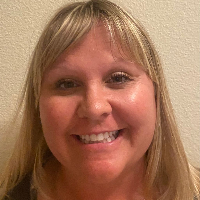
Christine O'Neill
LPC, LCPC
Licensed counselor - mood and behavior
- Stress, Anxiety
- Addictions
- Relationship
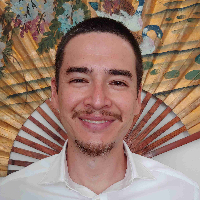
Benjamin Wayburn
LPC
Licensed Professional Counselor - Stress and Relationships
- Stress, Anxiety
- Trauma and abuse
- Grief

Abigail Todd
LPC
Licensed counselor focused on relationships and trauma
- Relationship
- Family
- Trauma and abuse
Surnames under A · every counselor in the directory whose surname starts with A
Is this your profile?
Ask us to correct details or take the page down.
Contact us