
David Burkett, LPC
Licensed in Arizona 7 years in practice
Licensed Professional Counselor (LPC) in Arizona with seven years of experience, David Burkett helps people manage stress, anxiety, relationship problems, trauma and abuse, grief, and depression.
License and NPI
- LPC, Arizona
- LPC-22580 · expires October 2027
- NPI
- 1790558351 · national provider identifier
- Years in practice
- 7
- Languages
- English
Details are as listed on the therapist's public professional profile. You can check any license with the state board and any NPI with the national registry.
About David
Licensed Professional Counselor (LPC) in Arizona with seven years of experience, David Burkett helps people manage stress, anxiety, relationship problems, trauma and abuse, grief, and depression. He focuses on practical conversation and steps that make daily life more manageable. David works with people dealing with attachment concerns, abandonment, avoidant personality patterns, and family of origin issues.
He also addresses communication problems, commitment and control issues, codependency, and the effects of chronic pain or illness on mood and relationships.
Background and approach
His stated focus includes forgiveness and rebuilding after separation or divorce. In sessions he uses straightforward methods drawn from Acceptance and Commitment Therapy, Cognitive Behavioral Therapy, Emotionally-Focused Therapy, and attachment-based and client-centered approaches. Conversations emphasize clarity about what feels most difficult and what a person wants to change.
He helps people name patterns and try small, practical steps between sessions. David describes his style as collaborative and client-centered. He listens for patterns that link current problems to past experiences and helps clients practice new ways of responding.
Sessions aim to increase emotional awareness and improve communicating with important people in a person’s life. People who prefer clear, direct talk and work-oriented strategies may find his approach useful. The first sessions typically focus on identifying immediate concerns, setting simple goals, and choosing a pathway forward that fits day-to-day life.
Focus areas and approaches
Everything David lists on their public professional profile, in their own terms.
- Stress, Anxiety
- Relationship issues
- Trauma and abuse
- Grief
- Depression
- Abandonment
- Attachment issues
- Avoidant personality
- Body image
- Caregiver issues and stress
- Chronic pain, illness, and disability
- Codependency
- Commitment issues
- Communication problems
- Control issues
- Disruptive Mood Dysregulation Disorder (DMDD)
- Divorce and separation
- Emptiness
- Family of origin issues
- Forgiveness
- Guilt and shame
- Impulsivity
- Isolation / loneliness
- Jealousy
- Life purpose
- Men's issues
- Midlife crisis
- Money and financial issues
- Mood disorders
- Narcissism
- Obsessions, compulsions, and OCD
- Panic disorder and panic attacks
- Personality disorders
- Post-traumatic stress
- Process addiction (porn, exercise, gambling)
- Self-love
- Sex addiction
- Sexuality
- Social anxiety and phobia
- Workplace issues
Approaches David names
- Acceptance and Commitment Therapy (ACT)
- Attachment-Based Therapy
- Client-Centered Therapy
- Cognitive Behavioral Therapy (CBT)
- Emotionally-Focused Therapy (EFT)
- Eye Movement Desensitization and Reprocessing (EMDR)
- Imago Relationship Therapy
- Solution-Focused Therapy
- Trauma-Focused Therapy
Naming an approach is not evidence of training in it. This directory copies what each therapist lists and does not check training records.
Online support
Therapeutic approaches and online sessions
Acceptance and Commitment Therapy (ACT) helps people notice difficult thoughts and feelings without getting guided by them, then choose actions that match their values. It is often used for anxiety, avoidance, and managing ongoing stress. Cognitive Behavioral Therapy (CBT) focuses on identifying unhelpful thinking and testing alternative thoughts and behaviors to reduce symptoms and improve coping. It is commonly applied to anxiety, depression, and relationship-related patterns. Attachment-Based Therapy looks at how early relationships shape current patterns and helps people practice new ways of relating and communicating.Finding the right approach is part of the work. The therapist will collaborate with each person to choose methods that fit their goals, needs, and preferences. Early sessions clarify what matters most and agree on which strategies to try first, then adjust as progress is reviewed.
Confirm current online session options before booking so you know what formats are offered. Online work can make it easier to fit sessions into a busy week, allow shorter check-ins when needed, and remove travel time. Those practical benefits help some people keep steady momentum while they practice new skills between meetings.
We will earn a commission if you sign up through our link, at no cost to you. It does not change what you pay or the order of the listings.
Questions people ask
What concerns does he help with most often?
He works with stress, anxiety, relationship issues, trauma and abuse, grief, and depression. Additional focuses include attachment problems, codependency, and chronic illness impacts.
How would you describe his therapeutic style?
His style is collaborative and client-centered, emphasizing clear conversation and practical steps. He helps clients identify patterns and try small changes between sessions.
What is his experience in this work?
He has seven years of experience working with adults on mood and relationship concerns. That background informs his use of several common therapy approaches.
Where is he licensed and practicing?
He is a Licensed Professional Counselor (LPC) licensed in Arizona. Sessions are based on that licensure and state practice.
Which languages are offered for sessions?
Sessions are offered in English.
Can people outside the United States work with him?
He does not accept international clients at this time.
How are sessions paid for and billed?
Cost varies with location and sessions use a subscription model that can be canceled at any time. Specific pricing is provided during the sign-up process.
What are the steps to begin working with him?
Use the See online therapy options button, complete a short matching questionnaire, and schedule a first session. That starts the intake and initial planning conversation.
More counselors licensed in Arizona
See all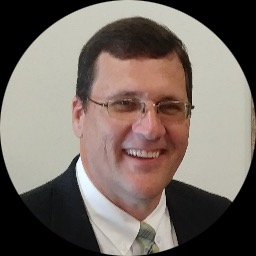
Jared Wilhelm
LPC
Licensed Professional Counselor - grief and relationships
- Grief
- Intimacy-related issues
- Self esteem

Victoria Johnson
LPC
Licensed counselor - mood and trauma care
- Stress, Anxiety
- Relationship
- Trauma and abuse
Alice Rock
LMHC, LPC
Licensed counselor - stress and addiction
- Stress, Anxiety
- Addictions
- Relationship

Surnames under B · every counselor in the directory whose surname starts with B
Is this your profile?
Ask us to correct details or take the page down.
Contact us