
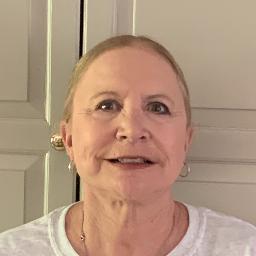
Lori Smith, LPC
Licensed in Arizona 11 years in practice
Lori describes therapy in plain terms. She pays attention to how past events shape present feelings and behaviors.
License and NPI
- LPC, Arizona
- LPC-18905 · expires March 2026
- NPI
- 1891316907 · national provider identifier
- Years in practice
- 11
- Languages
- English
Details are as listed on the therapist's public professional profile. You can check any license with the state board and any NPI with the national registry.
About Lori
Licensed Professional Counselor (LPC) in Arizona with 11 years of experience, Lori Smith helps people manage stress, anxiety, addictions, trauma and abuse, grief, depression, relationship and intimacy-related issues, eating and sleeping problems, parenting concerns, anger, self-esteem, career questions, bipolar disorder, coping with life changes, and ADHD. Lori describes therapy in plain terms.
She pays attention to how past events shape present feelings and behaviors. She also considers how thoughts, body sensations, and daily habits interact.
Background and approach
Sessions focus on understanding patterns and testing new ways of responding to hard situations. Her work blends several practical approaches. Lori uses Acceptance and Commitment Therapy to help people clarify values and commit to meaningful actions.
She draws on Cognitive Behavioral Therapy to identify unhelpful thoughts and change behaviors. Dialectical Behavior Therapy skills are used for managing intense emotions and improving regulation. She also works from a client-centered stance, listening for what matters most to each person and adjusting the pace accordingly.
Lori applies emotionally-focused ideas when relationship and intimacy concerns are central. In practice she combines methods to match the immediate problem, goals, and motivation of the person in the room. Lori emphasizes looking for the roots of difficulties while developing concrete skills for day-to-day life.
Sessions include talking through past experiences, practicing new coping strategies, and tracking small changes over time. People who contact her can expect clear, straightforward work aimed at reducing distress and improving daily functioning.
Focus areas and approaches
Everything Lori lists on their public professional profile, in their own terms.
- Stress, Anxiety
- Addictions
- Trauma and abuse
- Grief
- Depression
- Relationship issues
- Intimacy-related issues
- Eating disorders
- Sleeping disorders
- Parenting issues
- Anger management
- Self esteem
- Career difficulties
- Bipolar disorder
- Coping with life changes
- ADHD
- Abandonment
- Antisocial personality
- Attachment issues
- Body image
- Co-morbidity
- Codependency
- Commitment issues
- Communication problems
- Control issues
- Coping with natural or human-caused disaster
- Disruptive Mood Dysregulation Disorder (DMDD)
- Dissociation
- Drug and alcohol addiction
- Eating and food-related issues
- Emptiness
- Forgiveness
- Guilt and shame
- Impulsivity
- Isolation / loneliness
- Life purpose
- Obsessions, compulsions, and OCD
- Panic disorder and panic attacks
- Paranoia
- Personality disorders
- Phobias
- Post-traumatic stress
- Seasonal Affective Disorder (SAD)
- Self-love
- Social anxiety and phobia
- Somatization
- Young adult issues
Approaches Lori names
- Acceptance and Commitment Therapy (ACT)
- Client-Centered Therapy
- Cognitive Behavioral Therapy (CBT)
- Dialectical Behavior Therapy (DBT)
- Emotionally-Focused Therapy (EFT)
- Eye Movement Desensitization and Reprocessing (EMDR)
- Hypnotherapy
- Mindfulness Therapy
- Motivational Interviewing
- Solution-Focused Therapy
- Somatic Therapy
- Trauma-Focused Therapy
- Internal Family Systems
Naming an approach is not evidence of training in it. This directory copies what each therapist lists and does not check training records.
Online support
Therapeutic approaches and how they work online
Acceptance and Commitment Therapy (ACT) focuses on helping people name what matters to them and take small actions that align with those values. This approach is often used for anxiety, depression, and life transitions. Cognitive Behavioral Therapy (CBT) involves tracking thoughts and behaviors, testing beliefs, and practicing different responses to reduce distress. CBT is commonly used for anxiety, mood concerns, and many practical problems. Dialectical Behavior Therapy (DBT) teaches concrete skills for emotion regulation, distress tolerance, and clearer communication, which can help when emotions feel overwhelming.Choosing the right approach is part of the work. The therapist and client decide together which methods to try based on current problems, goals, and how a person prefers to work. Sessions can shift over time if a different focus or new skills seem more helpful.
The original biography did not specify session formats. Confirm the available online session options before booking. Online work can make it easier to fit brief check-ins or regular therapy into a busy week, avoid travel time, and use screen-based exercises for skill practice. It also allows practicing new reactions in everyday settings and keeping short notes between sessions. Licensed professionals adjust pacing, homework, and skill work to fit how a person shows up online or in person.
We will earn a commission if you sign up through our link, at no cost to you. It does not change what you pay or the order of the listings.
Questions people ask
What concerns does she commonly address?
She works with stress, anxiety, addictions, trauma and abuse, grief, depression, relationship and intimacy issues, eating and sleeping difficulties, parenting questions, anger, self-esteem, career matters, bipolar disorder, coping with life changes, and ADHD.
What is her therapy style?
Her style blends practical approaches and client-centered listening. She focuses on understanding past roots of problems while teaching skills to manage present-day symptoms.
How much experience does she have?
She has 11 years of practice as a Licensed Professional Counselor (LPC) working with a range of mood, trauma, and behavior concerns.
Where is she licensed to practice?
She holds an Arizona LPC license and practices in Arizona.
Which languages are supported in sessions?
Sessions are offered in English and international clients are not currently accepted.
What session formats are available?
The original biography did not list specific session formats. Confirm current session options before booking.
How are costs handled?
Cost varies with location and sessions use a subscription that can be canceled at any time.
How do I begin working with her?
Start by selecting the See online therapy options button, complete the short matching questionnaire, and schedule a first session.
More counselors licensed in Arizona
See all
Jared Wilhelm
LPC
Licensed Professional Counselor - grief and relationships
- Grief
- Intimacy-related issues
- Self esteem

Victoria Johnson
LPC
Licensed counselor - mood and trauma care
- Stress, Anxiety
- Relationship
- Trauma and abuse
Alice Rock
LMHC, LPC
Licensed counselor - stress and addiction
- Stress, Anxiety
- Addictions
- Relationship

Surnames under S · every counselor in the directory whose surname starts with S
Is this your profile?
Ask us to correct details or take the page down.
Contact us